Ale vs. Lager: Yeast-Driven Beer Differences Explained
The single biggest difference between an ale and a lager isn't the color, the strength, or the style — it's the yeast. A brewer and chemical engineer walks through how fermentation shapes every beer you drink.
The single biggest thing separating an ale from a lager isn’t the color, the alcohol content, or the style. It’s the yeast — and understanding what yeast actually does will change how you taste every beer you drink.
Walk into any craft brewery, look at the tap list, and the beers get sorted into two main columns: ales and lagers. It’s the fundamental division of the beer world. But most people can’t tell you what actually makes an ale an ale and a lager a lager — because the answer isn’t visible in the finished glass. It’s happening at the microbial level, in fermentation tanks, days or weeks before the beer ever reaches you.
I brewed my first batch of beer as a chemical engineer trying to understand the chemistry of fermentation. That curiosity is what eventually led to Border Brewing Company. Ten years later, I still find yeast the most interesting variable in brewing — the single ingredient that makes the biggest difference in how a beer tastes, feels, and finishes. Here’s what’s actually going on.
What yeast is (and why it matters)
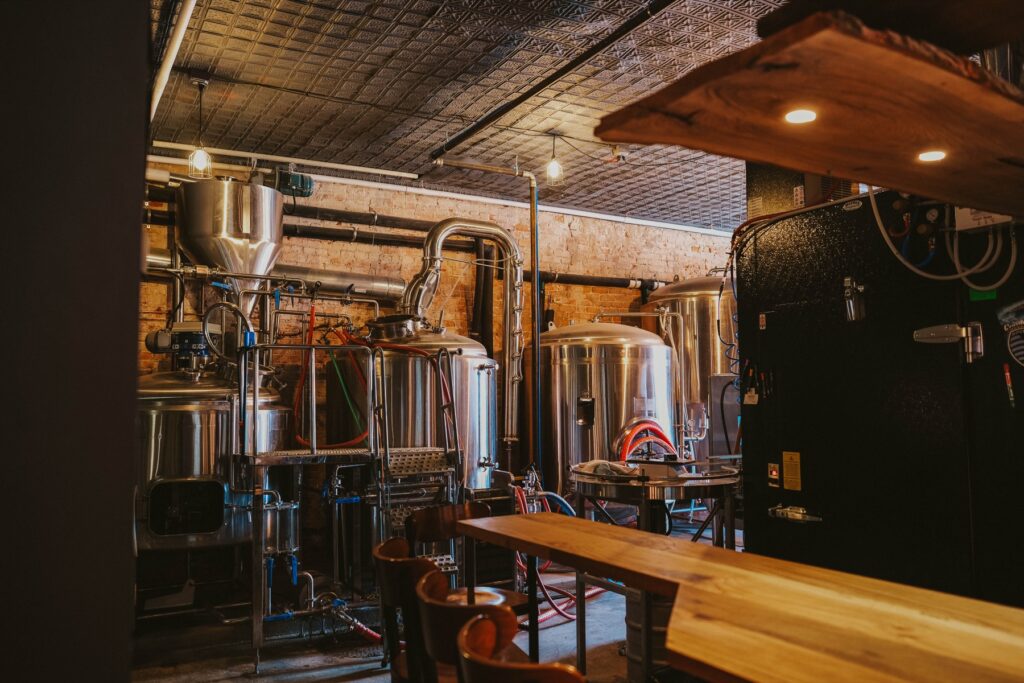
Yeast is a single-celled fungal organism. Millions of them live inside every fermentation vessel while a beer is being made. They eat the sugars we’ve extracted from malted barley, and as they metabolize those sugars, they produce three things: alcohol, carbon dioxide, and — critically — a huge range of flavor compounds.
That last part is where the magic happens. Different yeasts, working at different temperatures, in different environments, produce dramatically different flavor compounds. Fruity esters, spicy phenols, buttery diacetyl, sulfur notes, clove-like character — these all come from the yeast, not the malt or the hops. Two beers made with identical grain and hops but different yeast will taste like entirely different products.
There are two commercial yeast families that make up nearly every beer sold in the world:
- Saccharomyces cerevisiae — the ale yeast
- Saccharomyces pastorianus — the lager yeast
That single distinction is what divides the beer world into its two great columns.
Ale yeast: warm, fast, expressive
Saccharomyces cerevisiae — the same species used in bread and wine — is the older of the two beer yeasts. Humans have been fermenting with it for something like 10,000 years. It’s the yeast behind pale ales, IPAs, stouts, porters, wheat beers, Belgian ales, and dozens of other styles.
Ale yeast has three defining characteristics:
It ferments warm. Ale yeast is happiest between about 60°F and 75°F. In this temperature range, it’s active, energetic, and produces a lot of flavor compounds as a byproduct of its metabolism.
It ferments at the top of the tank. As ale yeast eats sugar, it releases CO₂ and forms a foamy layer on top of the fermenting beer. Brewers historically called it “top-fermenting” for this reason. It’s not literally attached to the top — but the visible activity concentrates there.
It ferments fast. Give ale yeast the right conditions and it can convert a fermentable liquid into finished beer in as little as 3-7 days. From a brewer’s standpoint, this is efficient. From a flavor standpoint, it means the yeast is working hard and producing lots of flavor byproducts.
Those flavor byproducts — called esters and phenols — are what give ales their characteristic personality. Fruity notes (banana, pear, apple), spicy notes (clove, pepper), floral notes, and complex layered aromas. Every ale has a hint of the yeast’s fingerprint in its flavor.
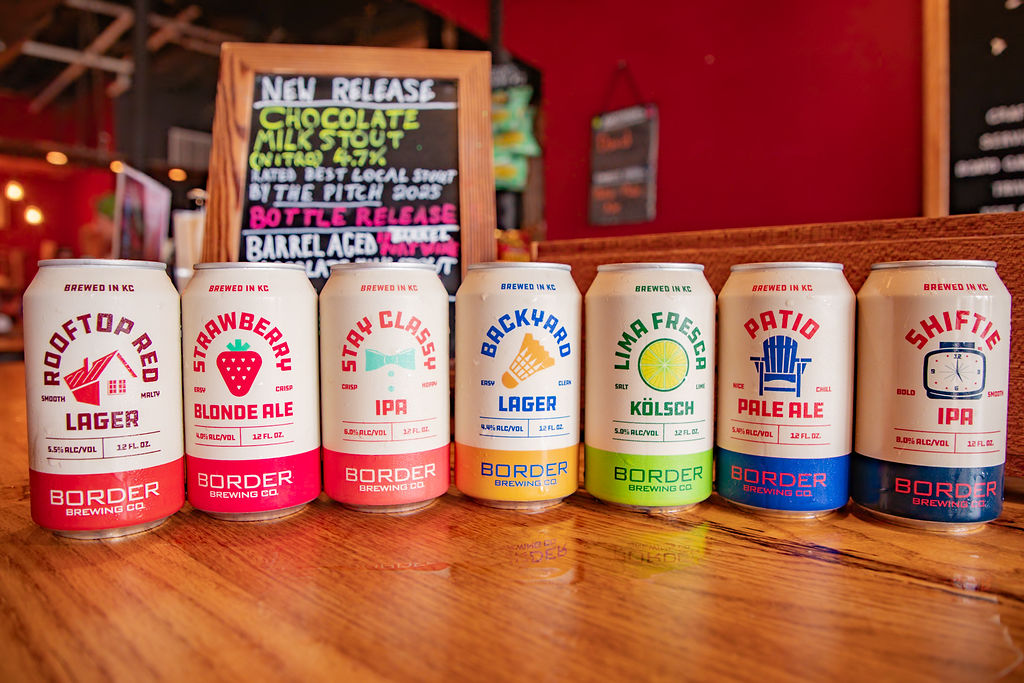
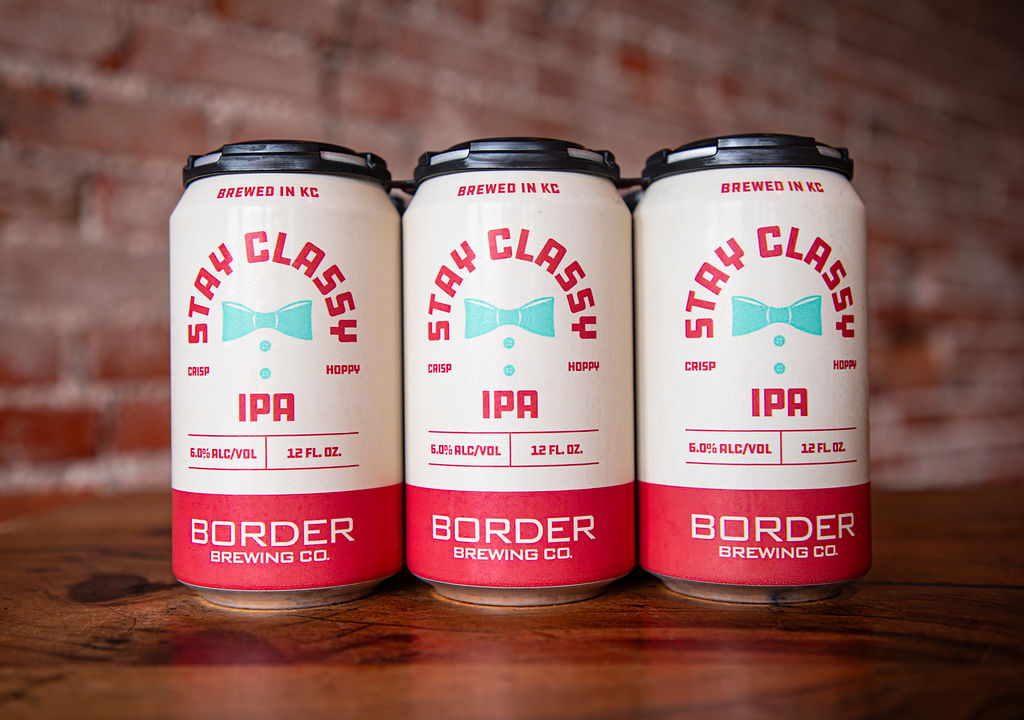
This is why our Shiftie Imperial IPA has that big, rounded, aromatic quality — the yeast is working alongside the hops to build a complex flavor profile. Our Stay Classy IPA balances hop-forward crispness with yeast-driven roundness. Our Patio Pale Ale and Strawberry Blonde Ale both showcase yeast character alongside the malt and fruit notes. Every one of these carries the signature of an ale yeast doing what it does best.
Lager yeast: cold, slow, clean
Saccharomyces pastorianus is a much younger yeast — only about 500 years old. It’s a hybrid of Saccharomyces cerevisiae and a wild yeast strain called Saccharomyces eubayanus. The hybridization happened by accident in Central European brewing caves around the 15th century, and it changed brewing forever.
Lager yeast has three defining characteristics — essentially the opposite of ale yeast:
It ferments cold. Lager yeast prefers temperatures between about 45°F and 55°F. Below the range where ale yeast can operate at all. This means every lager brewery has to have refrigeration or cold storage — a significant capital investment that’s part of why lagers were rare before industrial refrigeration.
It ferments at the bottom. Lager yeast is denser, and as it works, it settles toward the bottom of the fermentation vessel. This gives lagers their traditional “bottom-fermenting” name.
It ferments slowly. At cold temperatures, yeast activity is significantly slower. A lager typically ferments for 2-6 weeks — much longer than the days-long ale process. Then it undergoes a further cold conditioning period called lagering (from the German word for “storage”) for weeks or months.
The result of this slow, cold, controlled fermentation is a beer with very few flavor byproducts. Where ale yeast produces expressive esters and phenols, lager yeast produces almost none. This gives lagers their characteristic clean, crisp flavor profile — you taste the malt and the hops without a lot of yeast interference.
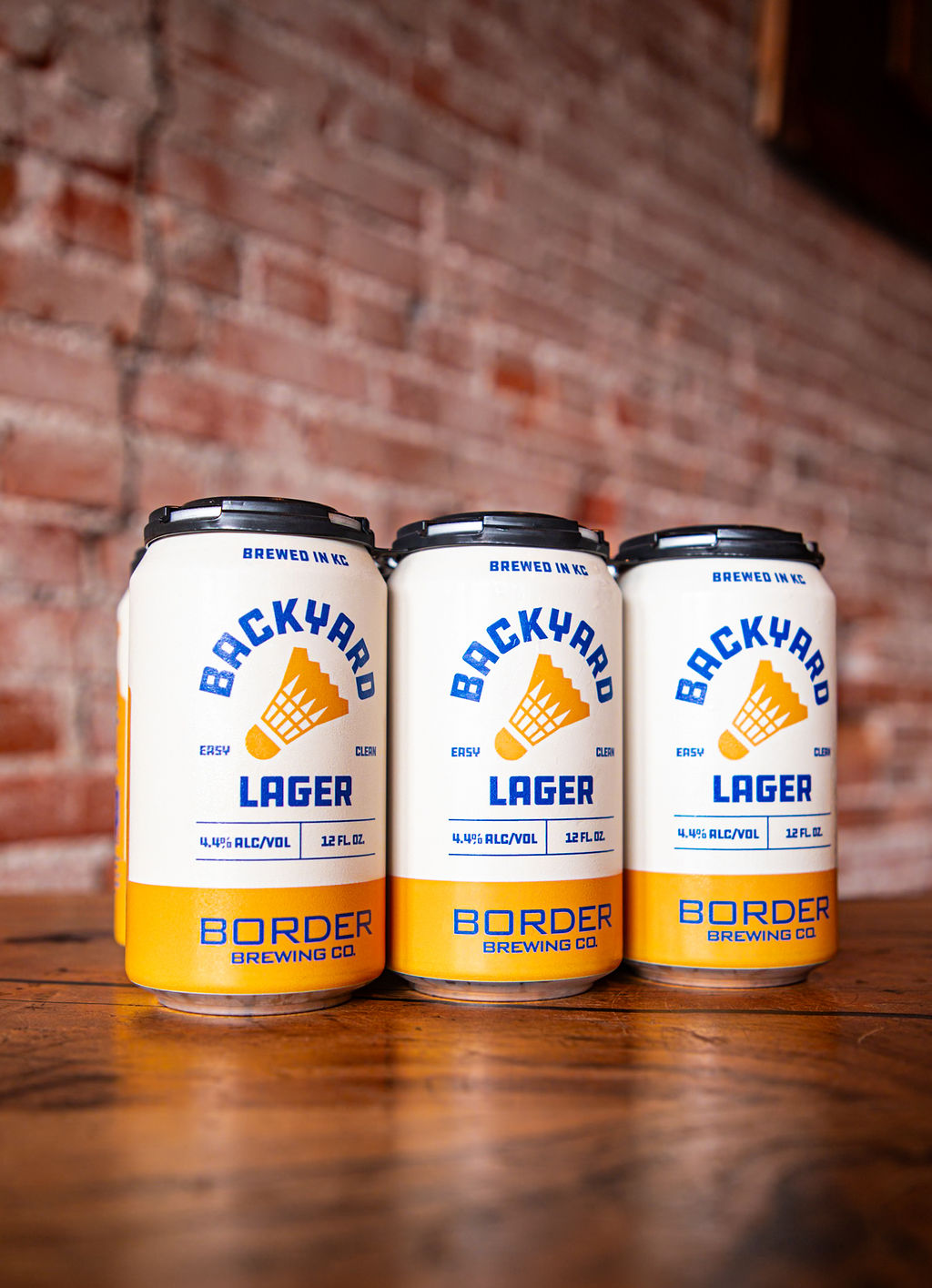
This is why our Backyard Lager has that clean, crisp, sessionable quality — the malt is doing the talking, not the yeast. Our Rooftop Red Lager shows what an amber lager does with the same clean canvas: the caramel notes of the specialty malt shine through without competing yeast character.
The hybrid case: Kölsch
Not every beer fits cleanly into the ale or lager column. The most famous exception is Kölsch, a traditional beer style from Cologne, Germany.
Kölsch is fermented like an ale (using an ale yeast, at warm temperatures) but then conditioned like a lager (weeks of cold storage before it’s ready to drink). The result: a beer that has some of the delicate ester complexity of an ale, but the clean, crisp finish of a lager. It’s the best of both worlds.
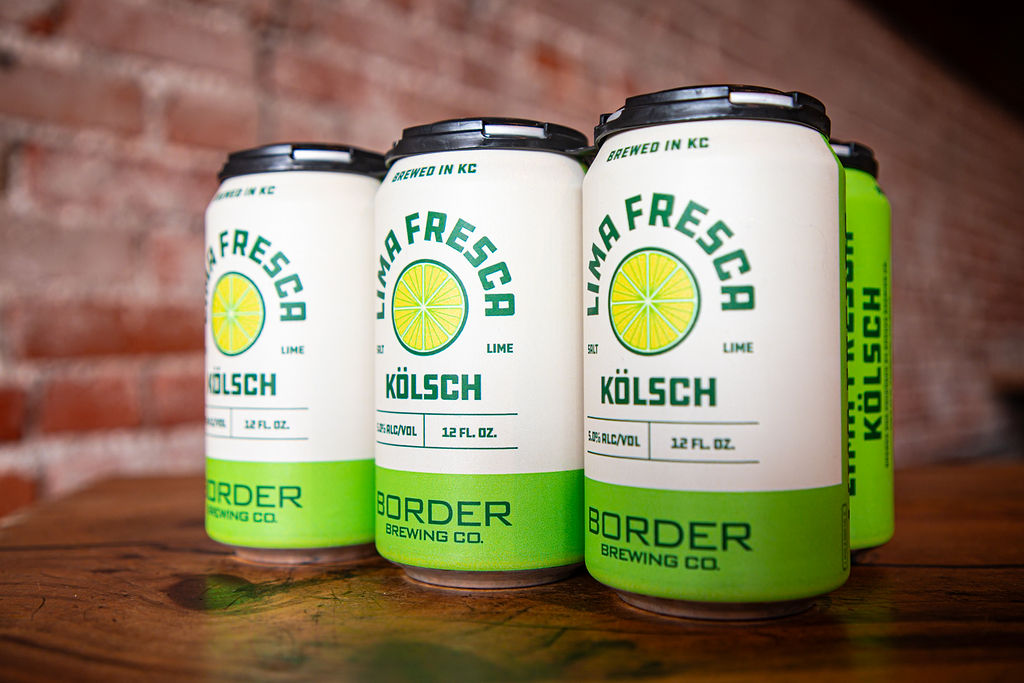
Our Lima Fresca Kölsch is one of our most-ordered beers, and this hybrid nature is exactly why. The bright, refreshing character comes from the yeast being kept restrained; the roundness and complexity come from the ale fermentation. Finish it with sea salt and fresh lime, and you’ve got something drinkable in any weather, at any hour.
Kölsch is part of a small category called hybrid beers — including California Common (like Anchor Steam) and Cream Ale — where the brewer intentionally blurs the ale/lager distinction to get the best characteristics of both.
How to taste the difference
Now that you know the biology, you can taste it. Here’s what to look for:
In an ale, you’ll typically notice:
- Fruity notes even without fruit added — banana, apple, pear, stone fruit
- Complex layered aromas that keep revealing themselves as the beer warms
- A rounder mouthfeel — often described as “fuller” or “warmer”
- Stronger interaction between yeast, hops, and malt
In a lager, you’ll typically notice:
- Clean, crisp finish with no lingering fruity or spicy notes
- The malt character (bready, biscuity, caramel) more prominent
- A more delicate mouthfeel — often described as “cleaner” or “sharper”
- The hop character standing on its own, without yeast to complicate it
In a Kölsch or other hybrid, you’ll notice both — a hint of ale-like fruit character on the aroma, but a lager-like clean finish on the swallow.
An easy exercise: come into the taproom and pour a Shiftie IPA (ale) and a Backyard Lager (lager) side by side. Taste them next to each other. The IPA is loud and layered. The lager is quiet and clean. That difference isn’t the hops or the malt — it’s the yeast, working at different temperatures, producing entirely different flavor profiles.
Neither is “better” — they’re different tools
There’s an occasional bias in craft beer culture toward ales as “more interesting” and lagers as “boring.” This is completely wrong. Lagers are difficult to brew because there’s nowhere to hide — with no yeast character to mask off-flavors, every element of the beer has to be dialed in perfectly. A great lager is one of the hardest beers in the world to produce well.
Ales and lagers are simply different tools for different flavor goals. It’s also a fair question to ask any of the seventy-five-plus breweries in Kansas City — a taproom that can explain its own yeast choices is usually a taproom worth returning to. Ales let you build big, complex, layered flavor profiles. Lagers let you highlight subtle differences in malt and hops with nothing to interfere. Some occasions call for the complexity of an ale. Others call for the clean satisfaction of a lager.
At Border, we brew both because we love both. Our seven flagship beers include four ales and two lagers — plus the Lima Fresca Kölsch as our hybrid crossover. Every one of them exists because the yeast, working in the temperature range we chose for it, produces the exact flavor profile we’re going for.
Next time you’re at the taproom, order a flight with at least one ale and at least one lager. Taste them slowly. You’ll never taste a beer the same way again.
Check what’s pouring right now before you come, or do the tasting outside — The Backyard is where a flight is best appreciated on a warm afternoon.
Related Reading
- Our Craft Beers — Browse our full lineup of ales and lagers.
- Lima Fresca Kölsch — Our ale/lager hybrid, most-ordered pour.
- Backyard Lager — Our clean, crisp American-style lager.
- Shiftie IPA — Our flagship Imperial IPA — the ale yeast in full expression.
- Why You Really Feel Hungover — 5 Biological Causes — More beer chemistry from the brewer’s perspective.
- What’s On Tap — See which ales and lagers are pouring today.
- The Backyard — Where to drink the flight you just planned.
Cheers!
Want more? Follow along on Instagram or read more from the Border Brewing blog.
Come Visit the Taproom